New Beginnings and Deep Insights
Published date
April 24, 2026
SCROLL
As we begin a new term, I warmly welcome families back to school. We hope the break offered moments of rest, renewal and meaningful connection with family, friends and the natural world, and that Term 2 begins with a sense of steadiness and anticipation.
Over the holidays, we reached an important milestone with the soft launch of our new school website: www.glenaeon.nsw.edu.au .The final phase of its development offered a valuable opportunity to pause and reflect on what makes Glenaeon (and Steiner education more broadly) distinctive and enduring. The site reflects a learning journey that is deeply human, developmentally informed and uniquely positioned to meet the needs of children and young people who will graduate into the 2020s and 2030s and beyond. We warmly encourage families to explore it.
This period of reflection was also enriched by reading an important and timely research paper, which feels especially relevant as we begin a new term together.
Why Learning Through Experience Matters
In January 2026, Waldorf UK published a significant research paper titled
Cultivating the Skills and Dispositions Young People Need to Flourish in Life
, authored by Professor Bill Lucas and Dr Ellen Spencer from the University of Winchester. The paper explores four core Steiner pedagogies through a contemporary research lens. One of its strongest affirmations speaks directly to the heart of our work: children learn best when learning is grounded in experience.
Experiential learning, that is, learning through direct, meaningful activity, sits at the core of Steiner education. Rather than beginning with abstract explanation, children are invited first to encounter the world through
immersion
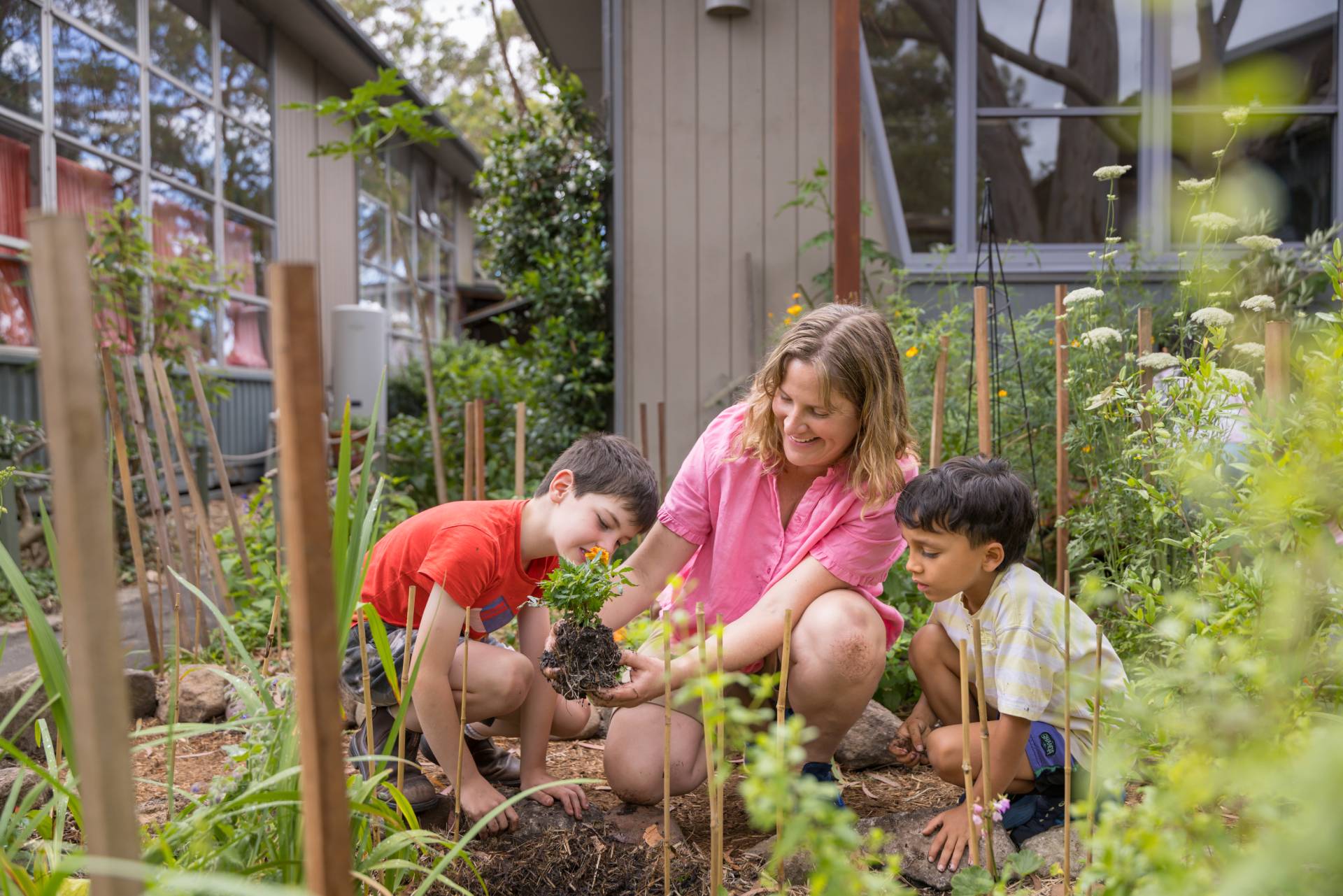
: through movement, making, observing, gardening, experimenting, dramatising and creating. Understanding grows from lived experience and is then deepened through reflection, conversation and artistic response.
The research confirms that this approach supports both academic learning and human development. Studies reviewed in the paper show that experiential learning leads to stronger understanding, greater engagement, improved wellbeing, and the development of vital human capacities such as problem‑solving, critical thinking, empathy and perseverance. Importantly, these benefits extend beyond individual subjects and into life beyond school.
In a time when information is instantly accessible and AI is rapidly reshaping how knowledge is used, the report highlights the increasing importance of what cannot be automated: human judgement, creativity, reflection and connection. Experiential learning nurtures these capacities by engaging the whole child; head, heart and hands, and by fostering a meaningful relationship with learning.
The authors also challenge the notion that schools must choose between teaching knowledge
or
skills. When thoughtfully designed, experiential learning does both. Knowledge gained through lived experience is often deeper, more durable and more transferable because it is connected to genuine understanding rather than memorisation alone.
The paper does acknowledge that experiential learning requires skilled teachers and careful planning. Experience alone is not enough; reflection and guidance are essential. This is where Steiner education’s long‑standing emphasis on rhythm, storytelling, artistic response and enduring teacher‑student relationships plays such an important role.
For our school community, this research offers both affirmation and encouragement. It reminds us that the everyday experiences woven into our curriculum are not only developmentally appropriate, but profoundly relevant for the world our children are growing into. In nurturing experiential learning, we are not preparing children merely to know about the world, but to meet it with understanding, resilience and humanity.
Diana Drummond
Head of School
Keep Reading
June 5, 2026

June 5, 2026
June 5, 2026