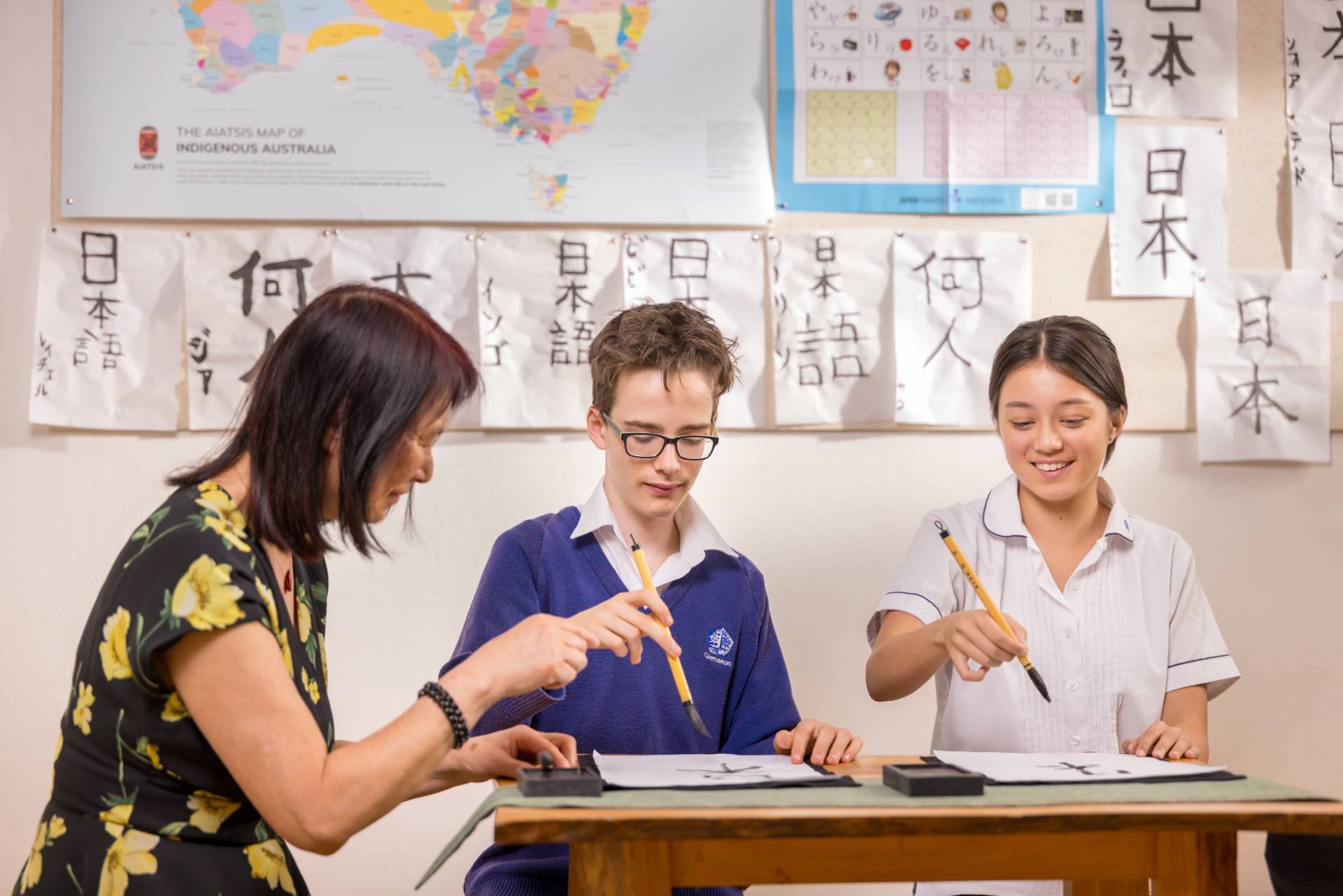
Creativity and the Whole Child
Published date
June 5, 2026
SCROLL
The fourth and final part of a series based on findings from the 2025 Waldorf UK research paper, ‘Cultivating the skills and dispositions for young people to flourish in life’.
Over the past three Newsletters, I have explored three of the core pedagogical approaches highlighted in the Waldorf UK research paper: experiential learning, interdisciplinary learning, and play. Each of these reflects a way in which Steiner education works with the developing child through experience, connection, and imagination.
In this final piece, I turn to the fourth and perhaps most all-encompassing approach:
creative education
.
While creativity is often associated with the arts, the research invites us to understand it more broadly. Creative education is not simply about producing artwork or performance, but about how children think, engage, and come to know the world. It is about imagination, curiosity, persistence, and the ability to shape ideas into meaningful expression.
Importantly, the paper distinguishes between two perspectives. In much of contemporary education, creativity is framed as a set of skills to be explicitly taught. For example, problem-solving, innovation, and divergent thinking. In Steiner education, however, creativity is understood less as a discrete outcome and more as a way of being: something that emerges when learning engages the whole child - head, heart, and hands.
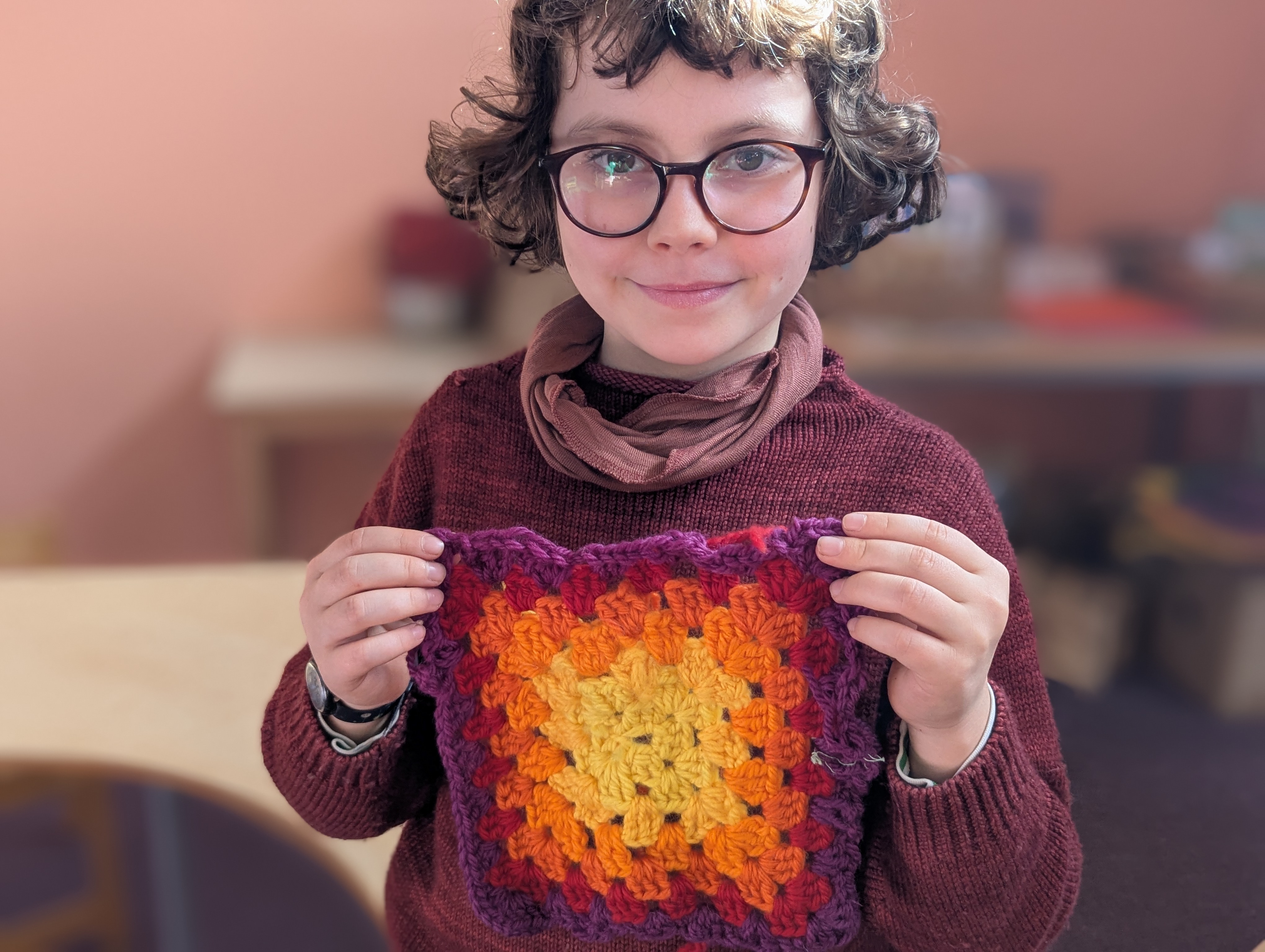
This distinction is significant. It shifts the focus from teaching creativity as a competency to cultivating creative dispositions through experience. When children create their own Main Lesson books, take part in music and movement, engage in handcraft, or enter deeply into a story, they are not only learning content; they are developing imagination, aesthetic sensitivity, discipline, and a sense of personal meaning.
The research suggests that such approaches are associated with a range of important outcomes. Creative education has been linked with increased engagement, improved problem-solving, greater persistence, and enhanced wellbeing. Children who are encouraged to think creatively are often more willing to take risks, explore ideas, and remain engaged in the learning process, even when challenges arise.
At the same time, the authors offer an important note of balance. Creativity does not stand apart from knowledge. On the contrary, it is strengthened by it. Deep understanding within subjects provides the foundation from which creative thinking can flourish. As with the other pedagogies explored in this series, the question is not one of choosing between approaches, but of holding them thoughtfully together.
At Glenaeon, this final aspect of the research brings the whole picture into focus. Across experiential learning, interdisciplinary learning, play, and creative education, a consistent theme emerges: education is most powerful when it engages the whole human being.
These approaches are not separate strands, but deeply interwoven. Creative work grows out of rich experiences. Play fosters imagination that later becomes creative thinking. Interdisciplinary learning provides the context in which creativity can be applied meaningfully. Together, they form a coherent approach to learning that is both deeply human and strongly aligned with what contemporary research tells us about how children learn best, and indeed, how Rudolf Steiner encouraged through his developmental picture.
The report concludes with a reminder that feels especially relevant in our current moment. In a world that is complex and rapidly changing, education must do more than transmit knowledge. It must help young people become adaptable, thoughtful, and capable of engaging meaningfully with the world.
For us, this is both affirmation and invitation. It affirms that the work of the teacher—so often expressed through story, craft, music, movement, and sustained inquiry—is not only valuable, but deeply relevant. It also invites us to continue reflecting on how we hold these approaches with clarity, balance and intention for today’s young people. For, as is so often the case, if we wish the strengths of this education to endure, we must be willing to adapt, to refine, and to keep asking a simple but essential question:
does this learning best serve our students?
As we conclude this series, I hope it has offered a window into the depth and coherence of Steiner education, as well as the growing body of research that supports it. Most importantly, I hope it has helped articulate something we see every day in our classrooms: that when children are engaged as whole human beings, learning becomes not only more effective, but more meaningful.
Enjoy the long weekend ahead. I look forward to seeing Year 10, 11 and 12 students and their parents at our inaugural GlenX Stories Alumni and Careers Evening next Tuesday, from 5pm -7pm, in the Sylvia Brose Hall.
You can read more and
register your attendance here
.
Diana Drummond
Head of School
Keep Reading
June 5, 2026
June 5, 2026
June 5, 2026