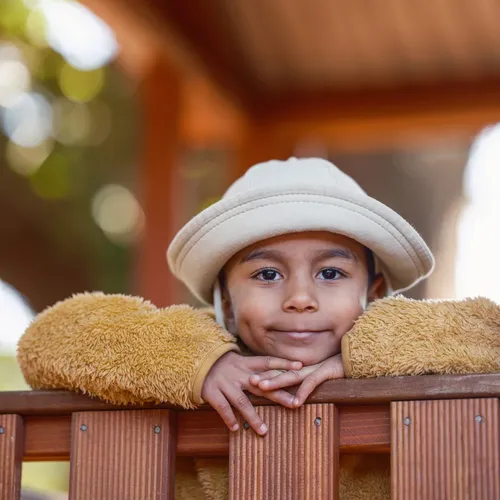
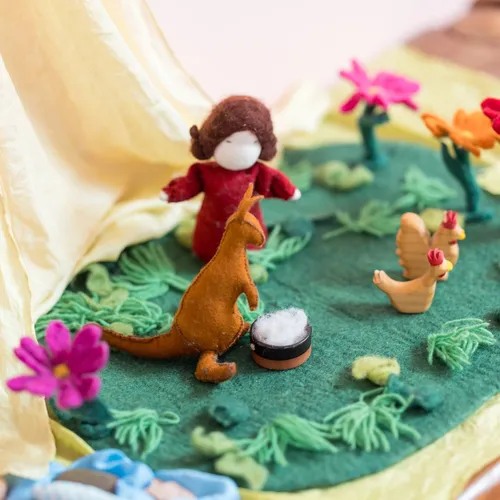
Our program includes:
- Child-directed indoor and outdoor play and social interaction
- Role play including dress ups, home corner play and cubby building
- Story landscapes and healing play
- Play with rhymes, sounds and words
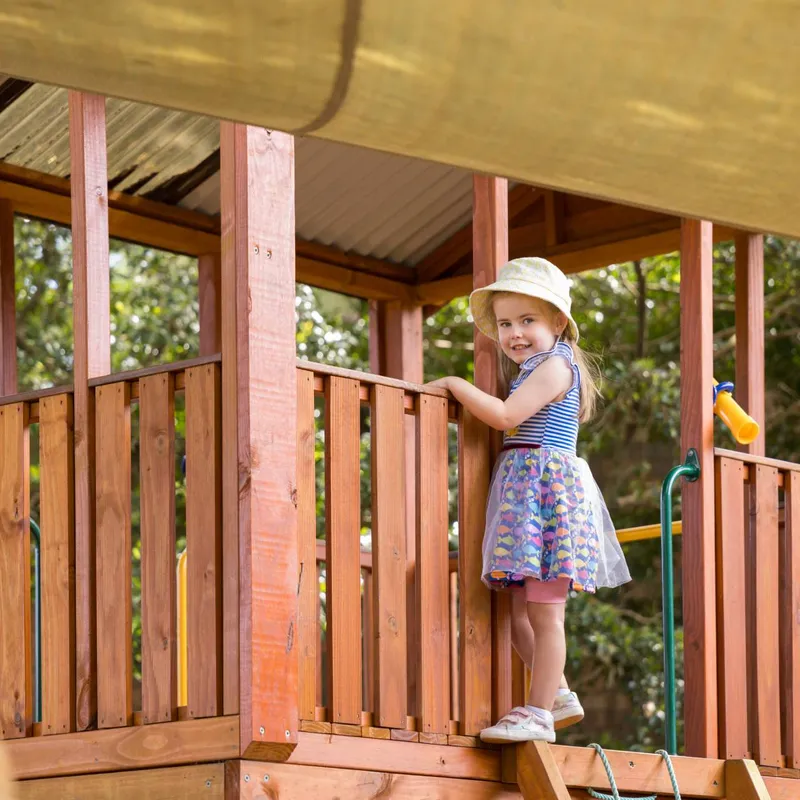
- Play which enjoys movement
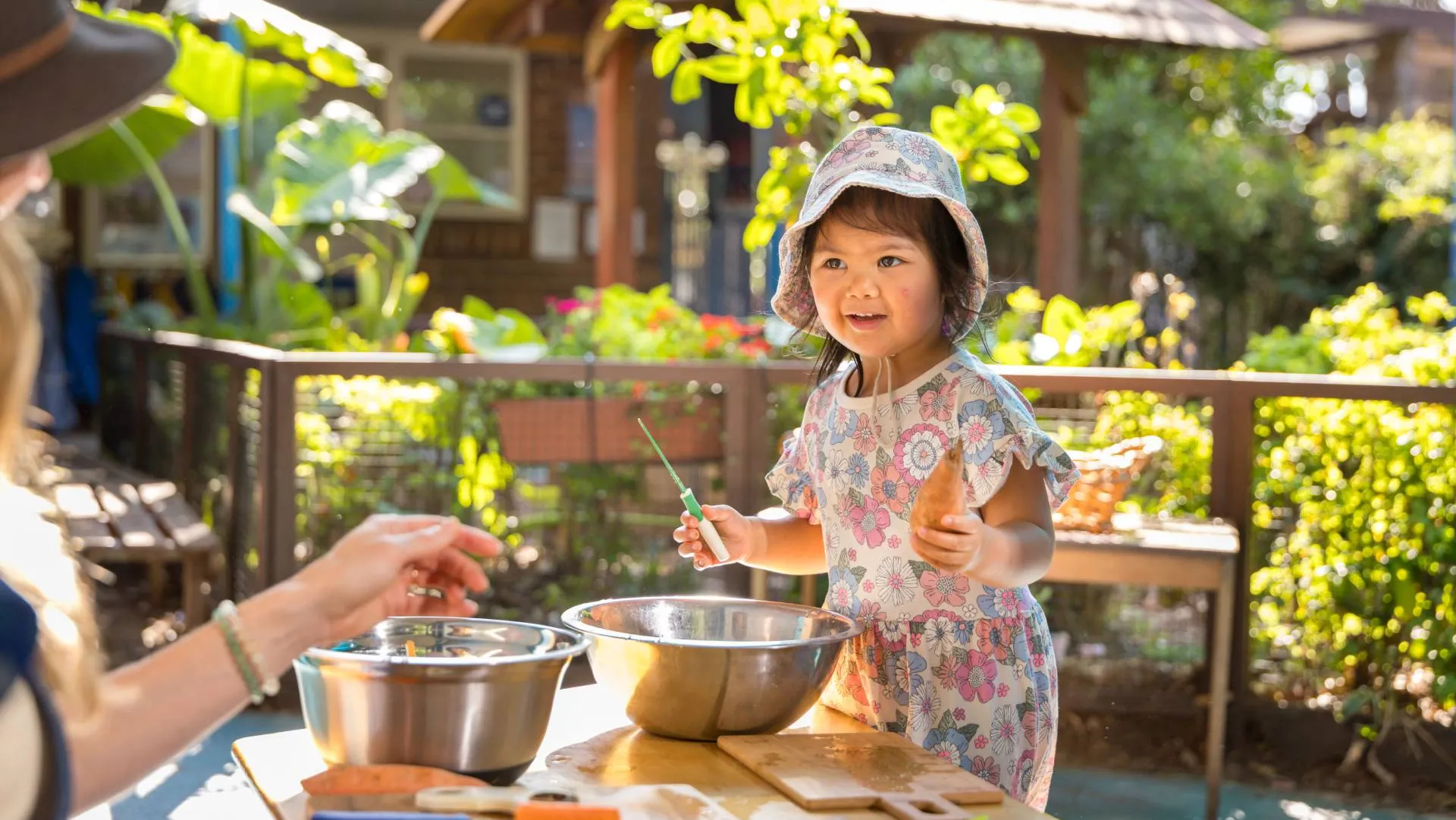
- Sensory creative play in the elements e.g. sand, water, mud and stones
Research shows that children best prepare for later academic skills through immersion in regular creative movement, rich oral language, music and creative play and that these are even more beneficial than early work with reading and writing letters, words and numbers.
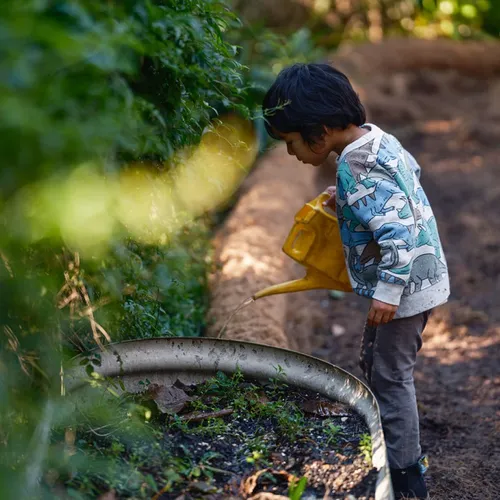
Neurological Development studies suggest that the proprioceptive and vestibular systems must be well developed through extended time for movement such as running, gardening, climbing, swinging and skipping¹ so that letter and number shapes can be visualised and imprinted. Challenges to literacy skills occur when vestibular functioning is not yet mature.²
¹ Ibid. ² Goddard-Blythe S, The Well-Balanced Child